Introduction
Sleep problems are common in childhood and are a frequent source of concern for parents and caregivers. Children may present with difficulty falling asleep, frequent night waking, early waking, excessive daytime sleepiness, unusual behaviours during sleep, snoring, restless sleep, or an apparently abnormal sleep schedule.1,2,5
However, not every perceived sleep problem represents a disorder. Normal sleep duration, timing, night waking, napping, and dependence on caregivers change substantially with age and development. Parental expectations may therefore differ from the child’s physiological sleep needs. Conversely, persistent sleep disturbance may significantly affect behaviour, attention, learning, mood, growth, family functioning, and overall health. 1,2,5
Sleep problems may arise from behavioural or environmental factors, circadian rhythm disturbance, sleep-related breathing disorders, parasomnias, sleep-related movement disorders, neurological or neurodevelopmental conditions, psychiatric disorders, systemic illness, medication effects, or, less commonly, serious neurological disease. The clinical challenge is to distinguish normal developmental variation from clinically significant sleep disturbance and to identify children who require further assessment or urgent evaluation. 1,2,3,5
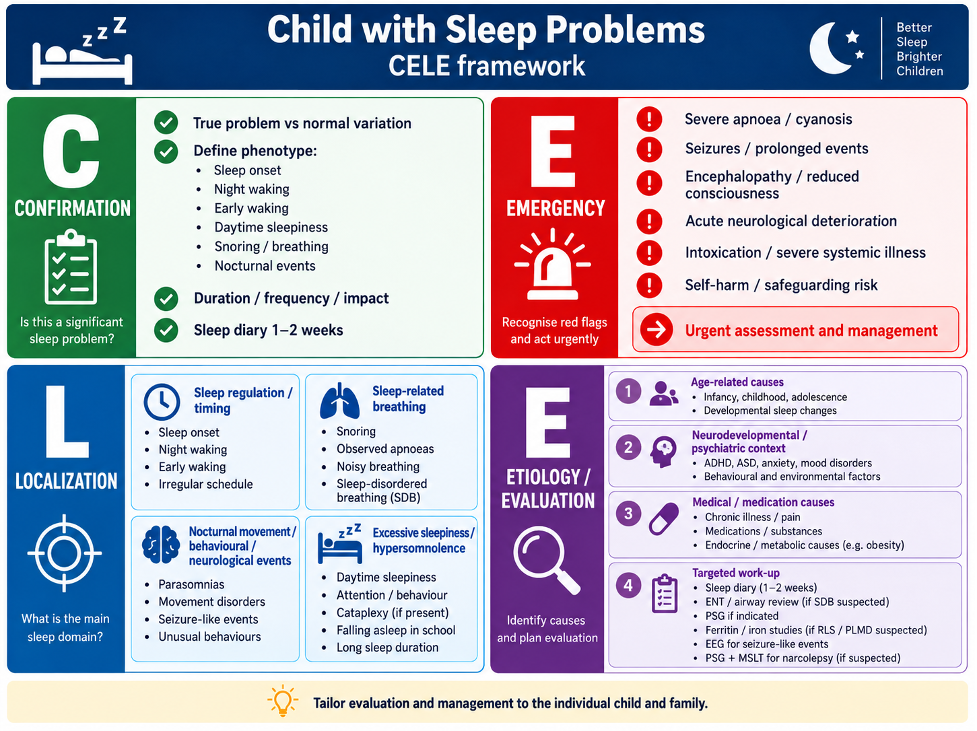
This article uses the CELE framework—Confirmation, Emergency, Localization, and Etiology—to provide a structured approach to children presenting with sleep problems.
Overview
Sleep changes considerably throughout childhood. Younger children require more total sleep and often sleep during both the day and night, whereas daytime naps progressively disappear and sleep becomes increasingly consolidated at night. Adolescents commonly experience a physiological shift toward later sleep and wake times, which may conflict with school schedules. 1,2,4,14
Approximate recommended total sleep duration over 24 hours is shown below.
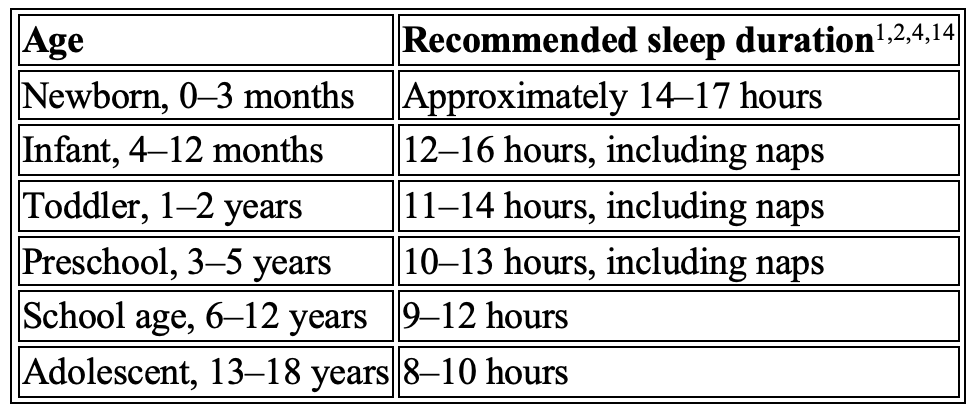
These ranges provide a guide rather than an absolute threshold. Individual children vary in their sleep need, and sleep quality, timing, regularity, and daytime functioning are as important as total sleep duration.
A sleep pattern is more likely to be clinically significant when it is persistent, inappropriate for developmental age, difficult to manage despite reasonable routines, or associated with daytime consequences such as irritability, hyperactivity, poor concentration, excessive sleepiness, behavioural difficulties, impaired school performance, or family distress.1,2,5
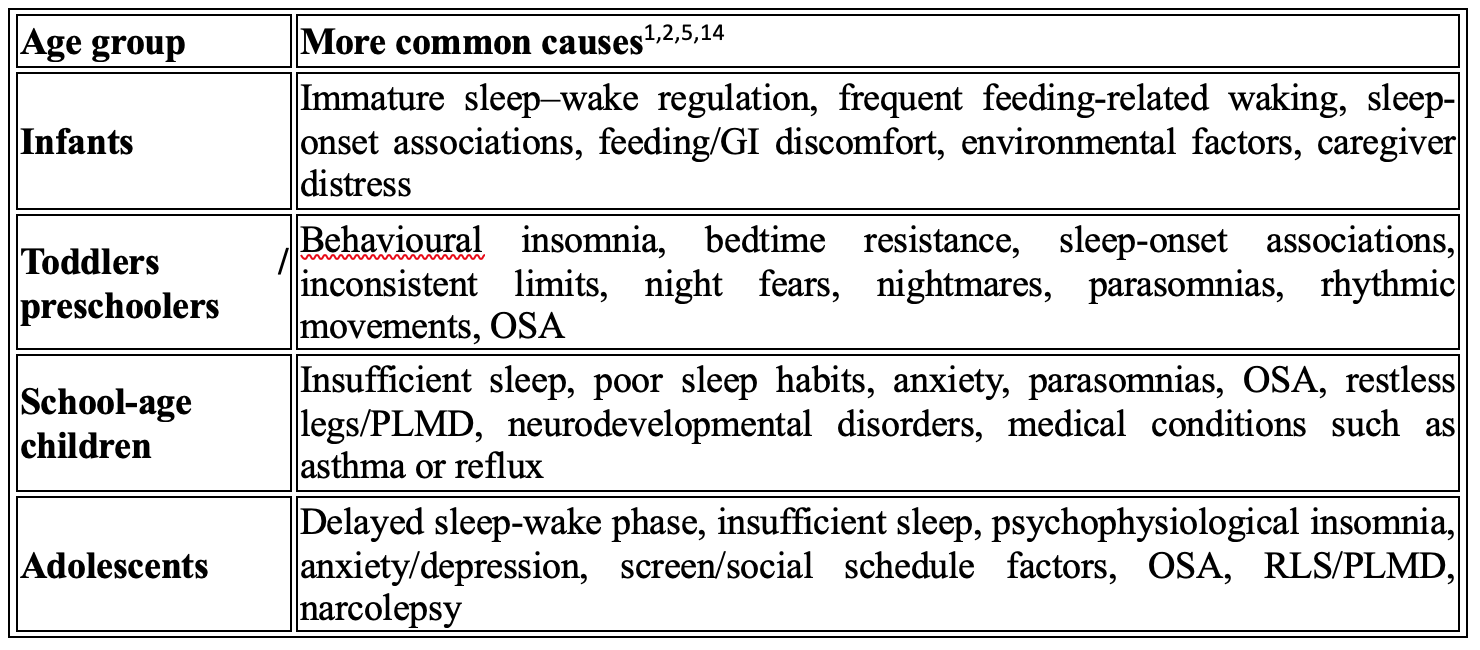
The nature of sleep problems also varies with age. Infants commonly have difficulties related to sleep consolidation and sleep-onset associations. Toddlers and preschool children may develop bedtime resistance, night waking, fears, behavioural insomnia, or parasomnias. In school-aged children, sleep-disordered breathing, anxiety, restless sleep, parasomnias, poor sleep habits, and neurodevelopmental conditions become increasingly important. Adolescents frequently present with insufficient sleep, delayed sleep-wake phase, insomnia, mood or anxiety disorders, excessive screen use, sleep-disordered breathing, restless legs symptoms, or excessive daytime sleepiness. 1,2,3,5,14
Assessment should therefore begin by defining the sleep phenotype rather than simply asking whether the child “sleeps badly.” Important patterns include difficulty initiating sleep, difficulty maintaining sleep, early waking, abnormal sleep timing, excessive daytime sleepiness, sleep-related breathing symptoms, abnormal nocturnal movements or behaviours, and episodic events suggestive of seizures or parasomnias. 1,2,3,5
The child’s sleep should always be interpreted within the developmental, behavioural, medical, neurological, psychiatric, family, and environmental context. A structured approach helps distinguish normal variation and behavioural sleep difficulties from circadian, respiratory, neurological, or systemic disorders that require targeted assessment and treatment. 1,2,5
C – Confirmation of a Clinically Significant Sleep Problem
The first step is to confirm whether the child has a clinically significant sleep problem or whether the reported concern reflects normal developmental variation, an age-appropriate sleep pattern, or a mismatch between the child’s sleep needs and caregiver expectations. 1,2,5
Confirmation should establish the nature, timing, duration, frequency, and impact of the problem. The clinician should clarify whether the main difficulty is:
- difficulty initiating sleep;
- frequent or prolonged night waking;
- early morning waking;
- excessive total sleep or excessive daytime sleepiness;
- insufficient sleep;
- irregular or delayed sleep timing;
- snoring or other sleep-related breathing symptoms;
- restless sleep or abnormal movements;
- parasomnias or unusual nocturnal behaviours;
- episodic events suggesting seizures.
The onset and course should then be defined. Important questions include whether the problem has been present from infancy or developed recently, whether it is continuous or intermittent, whether it occurs every night or only under certain circumstances, and whether there has been a recent change from the child’s previous sleep pattern. Acute or progressive change should prompt consideration of medical, neurological, psychiatric, medication-related, or environmental causes. 1,2,5
The clinician should also determine whether the child is actually obtaining an age-appropriate amount of sleep. Bedtime alone is not sufficient; the history should include sleep-onset time, number and duration of awakenings, final waking time, naps, and total sleep over 24 hours. Daytime consequences such as irritability, hyperactivity, poor attention, excessive sleepiness, school difficulty, mood change, or family disruption help establish clinical significance. 1,2,5
A sleep diary is particularly useful when the pattern is unclear, variable, or dependent on caregiver recall. A diary kept for at least 1–2 weeks can help distinguish behavioural insomnia, insufficient sleep, circadian delay, frequent waking, and irregular sleep patterns.
The sleep diary should record:
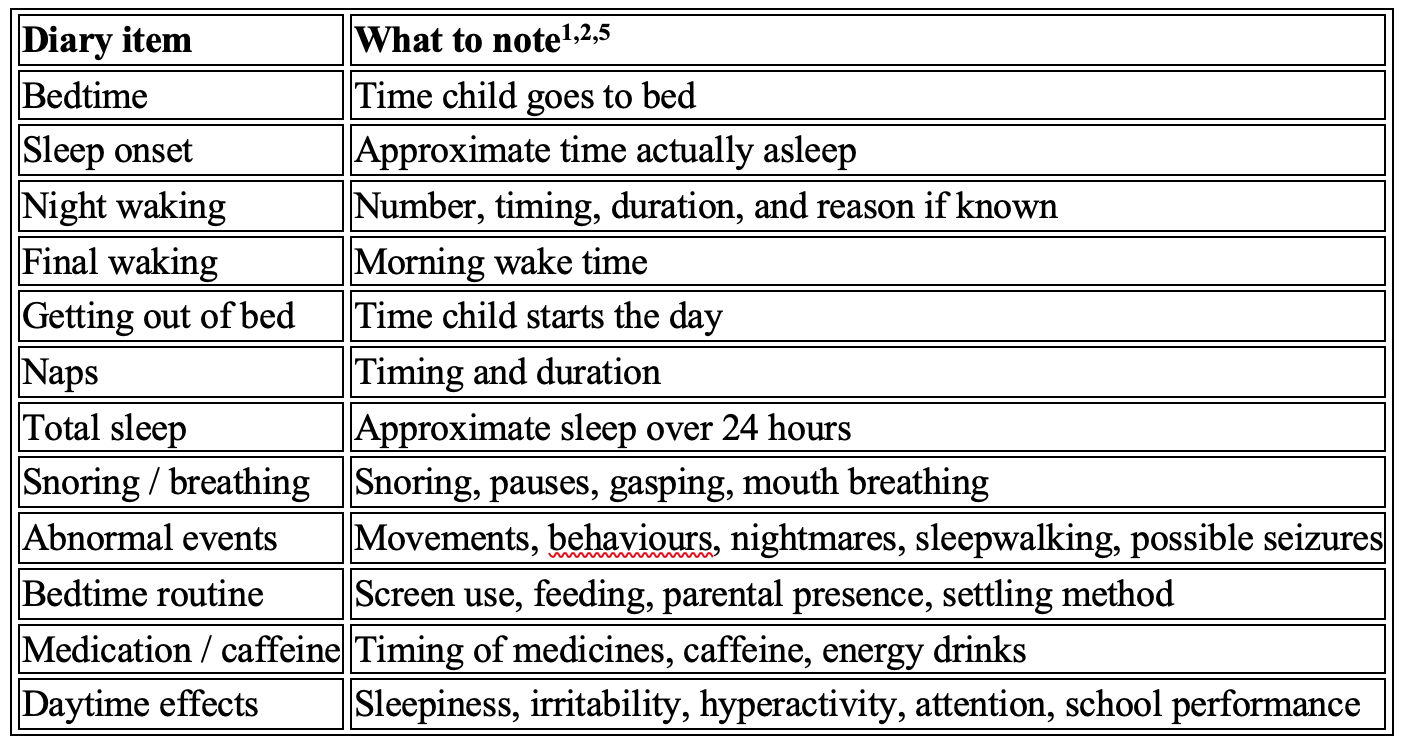
Reviewing the diary may reveal patterns that are not obvious from history alone. For example, prolonged sleep latency may suggest behavioural insomnia or circadian delay; repeated prolonged awakenings may indicate sleep-maintenance difficulty; late sleep onset with difficulty waking may suggest delayed sleep-wake phase; and apparently “poor sleep” may prove to be normal sleep duration with unrealistic expectations. 1,2,3,5
Direct observation is usually limited in routine clinic assessment, so confirmation depends mainly on a detailed sleep history, caregiver report, sleep diary, and where relevant, school or adolescent self-report. 1,2,5
Confirmation is therefore a decision point. If the sleep pattern is developmentally appropriate, total sleep is adequate, daytime functioning is preserved, and there are no red flags, reassurance and sleep guidance may be sufficient. If the problem is persistent, developmentally inappropriate, impairing, associated with abnormal nocturnal events, breathing disturbance, excessive daytime sleepiness, or neurological or systemic concerns, the child should proceed to further CELE assessment. 1,2,5
E – Emergency Considerations
Most sleep problems in children are not medical emergencies and can be evaluated through a structured developmental, behavioural, and medical pathway. However, urgent assessment is required when sleep disturbance is associated with respiratory compromise, altered consciousness, seizures, acute neurological deterioration, significant systemic illness, intoxication, or immediate safety or mental-health risk.1,2,5
Emergency consideration is particularly important when the sleep problem is acute in onset, rapidly worsening, associated with abnormal nocturnal events, severe daytime impairment, developmental regression, or a clear change from the child’s previous baseline.1,2,3,5
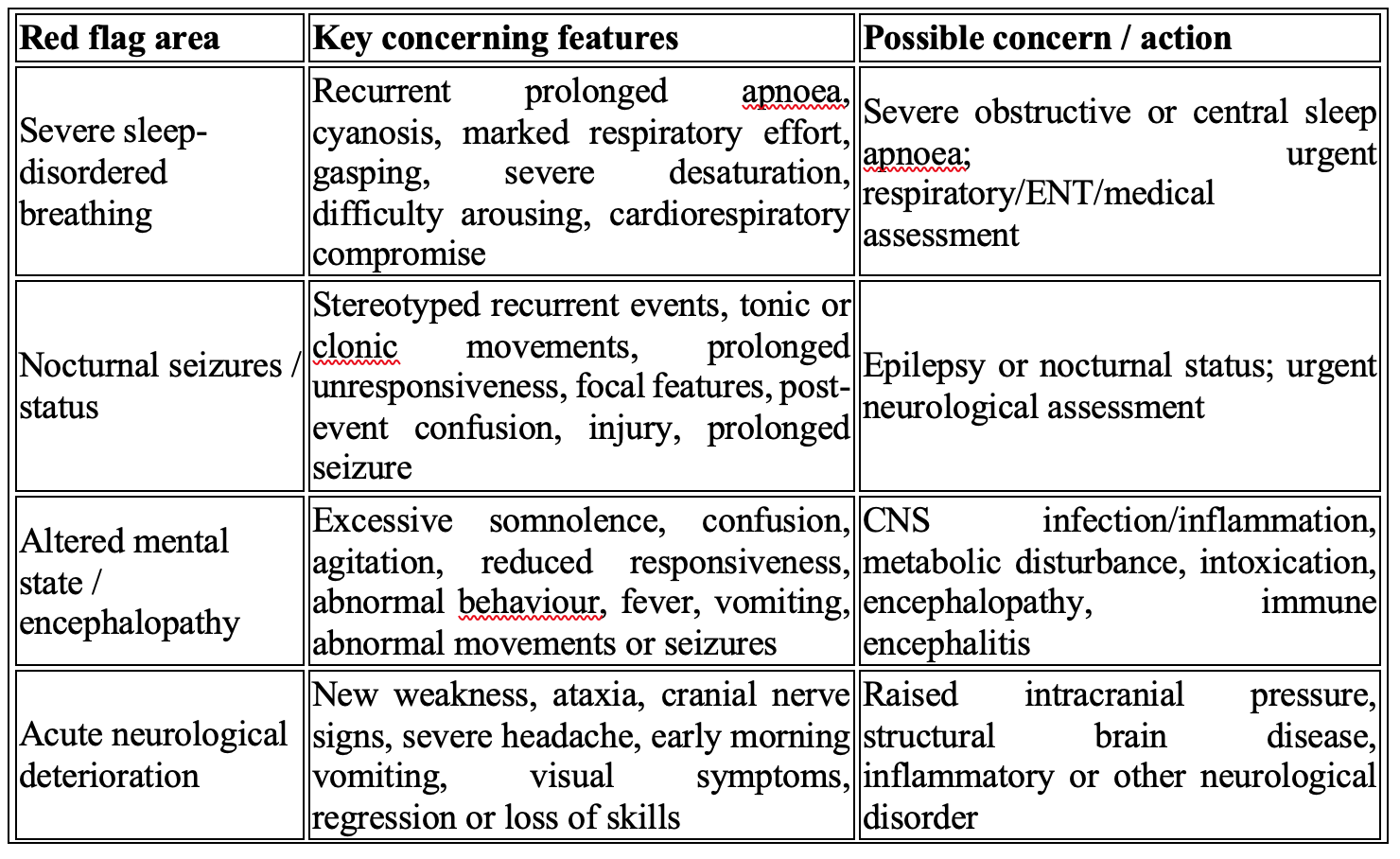
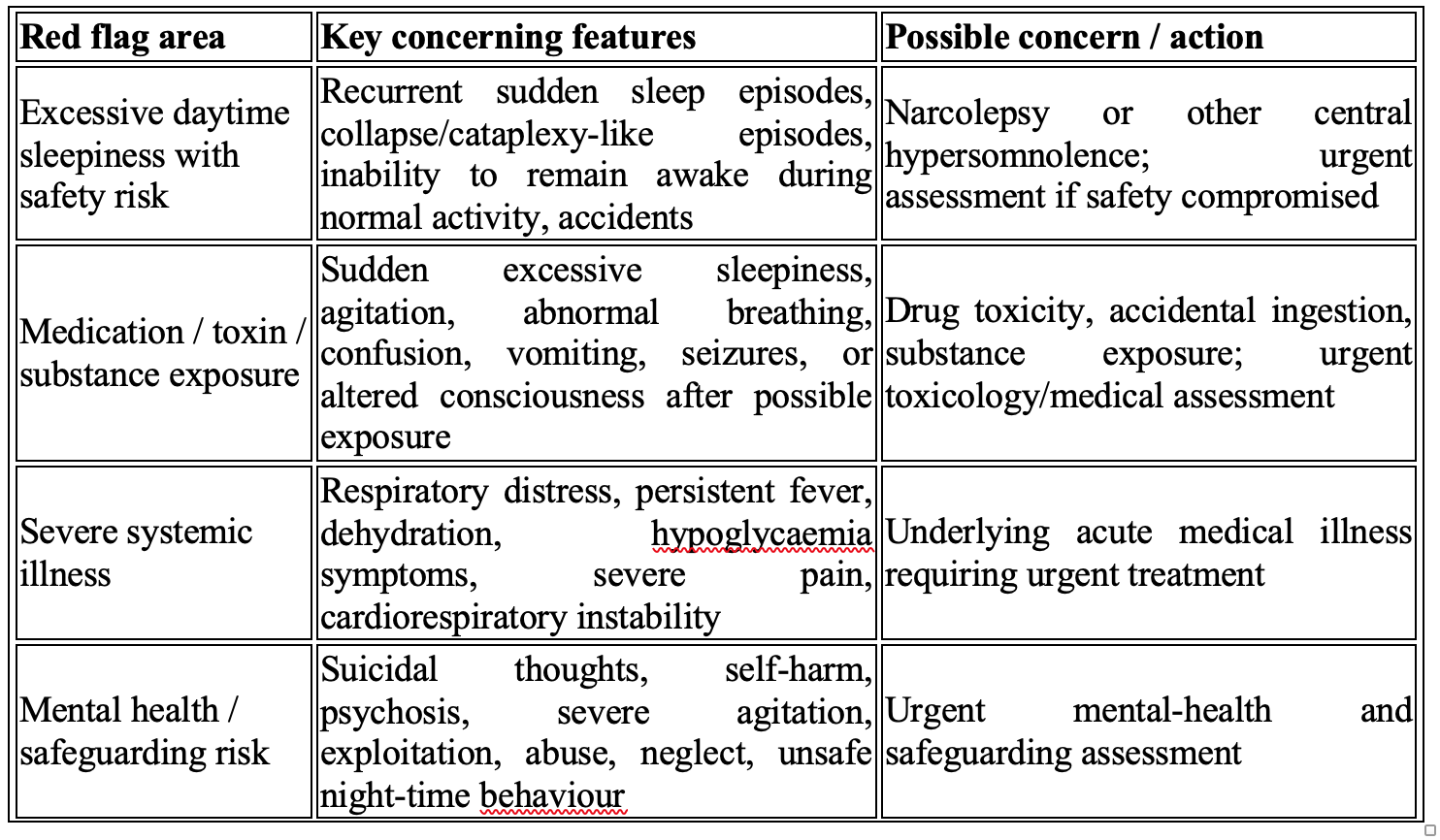
Parasomnias such as sleepwalking, confusional arousals, night terrors, and nightmares are usually benign. However, episodes that are unusually prolonged, highly stereotyped, occur many times per night, cause injury, or are accompanied by impaired daytime function should prompt consideration of nocturnal epilepsy or another underlying disorder. 3,5
Similarly, habitual snoring alone is not usually an emergency, but severe obstructive symptoms with prolonged apnoea, cyanosis, significant respiratory effort, impaired arousal, or cardiorespiratory compromise require urgent assessment. 1,5
A child with a long-standing sleep problem, preserved daytime functioning, and no red flags can usually proceed through routine sleep evaluation. In contrast, acute neurological change, severe breathing disturbance, prolonged seizure-like events, marked alteration in consciousness, intoxication, or immediate safety risk should be assessed urgently before routine sleep assessment. 1,2,5
L – Localization of the Primary Sleep Dysfunction
After confirming a clinically significant sleep problem and excluding urgent red flags, the next step is to identify the primary sleep system affected. In this context, localization is functional rather than anatomical and helps direct the subsequent etiological assessment and investigations. 1,2,5
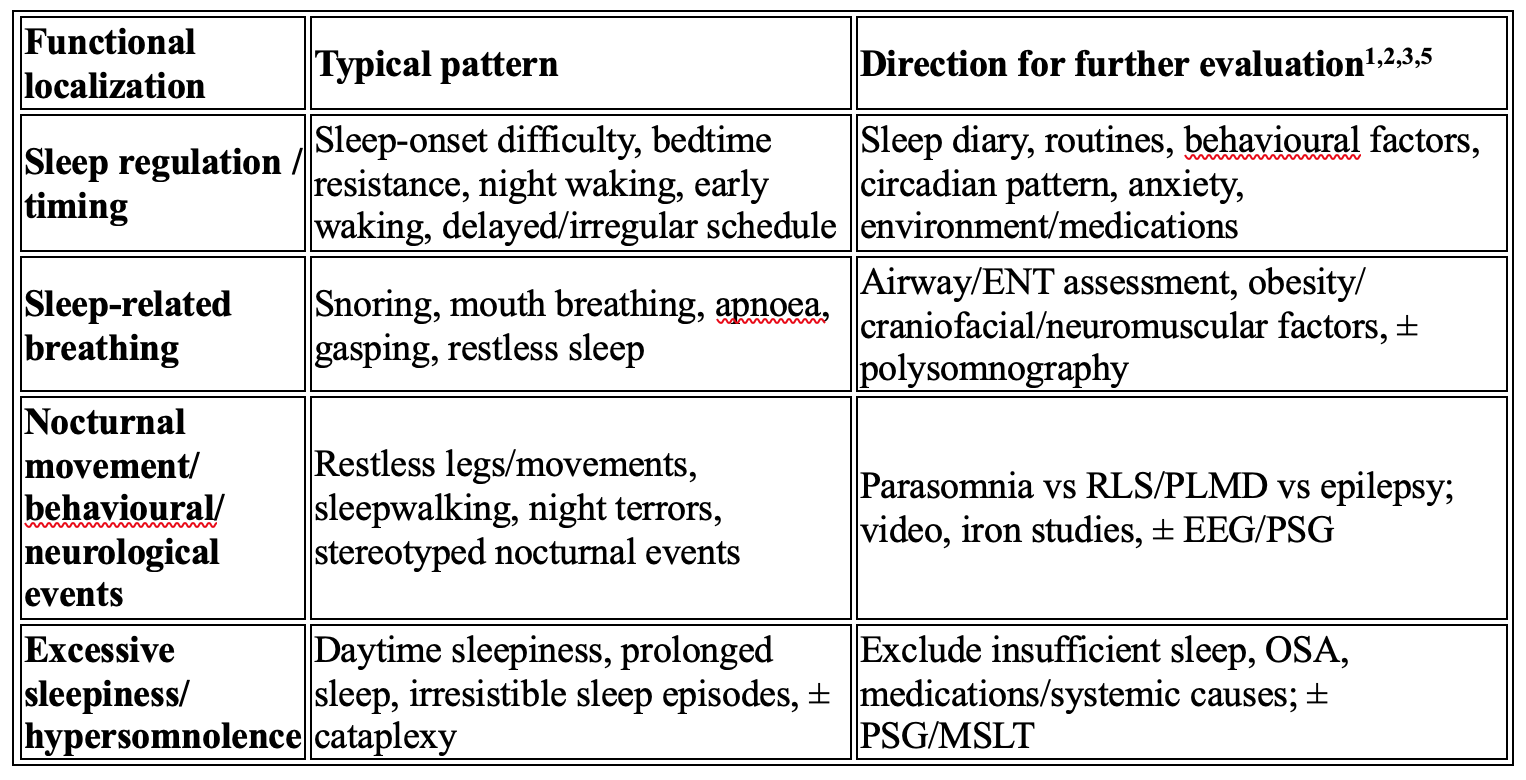
1. Sleep regulation / timing
This pattern includes difficulty initiating sleep, bedtime resistance, repeated night waking, early waking, delayed sleep onset, or an irregular sleep–wake schedule. 1,2,3,5
It suggests disturbance in behavioural sleep regulation, sleep associations, circadian timing, environmental routines, or psychological factors. 1,2,10,11
Later work-up may focus on: sleep diary, bedtime routine, screen exposure, family schedule, circadian pattern, anxiety, behavioural factors, and medication use.
2. Sleep-related breathing
This pattern is suggested by habitual snoring, mouth breathing, witnessed apnoea, gasping, restless sleep, unusual sleeping positions, or daytime consequences such as irritability, poor attention, or sleepiness. 1,5
It raises concern for obstructive sleep apnoea or, less commonly, central sleep-disordered breathing.
Later work-up may focus on: upper airway and tonsillar examination, obesity, craniofacial or neuromuscular risk factors, ENT assessment, and polysomnography when indicated.
3. Nocturnal movement / behavioural / neurological events
This pattern includes restless sleep, leg discomfort, repeated limb movements, sleepwalking, night terrors, confusional arousals, unusual movements, or stereotyped nocturnal episodes. 3,5
The main distinction is between benign parasomnias, sleep-related movement disorders, and nocturnal epilepsy. 3,5
Later work-up may focus on: detailed event history, home video, iron status when restless legs or periodic limb movements are suspected, and selective EEG or polysomnography when events are atypical or seizure-like.
4. Excessive sleepiness / hypersomnolence
This pattern includes excessive daytime sleepiness, prolonged sleep, irresistible sleep episodes, difficulty maintaining wakefulness, or cataplexy-like events. 3,5
The first step is to exclude insufficient sleep, sleep-disordered breathing, medication effects, systemic illness, and psychiatric causes before considering central hypersomnolence disorders such as narcolepsy. 3,5,14
Later work-up may focus on: sleep duration and diary review, screening for OSA and medications, systemic evaluation, and polysomnography with multiple sleep latency testing when clinically indicated.
Functional localization therefore provides the bridge between the presenting sleep complaint and targeted etiological evaluation. A child may have more than one pattern, and overlapping disorders are common.
E – Etiology / Evaluation for Underlying Cause
Once the primary sleep dysfunction has been localised, the next step is to identify the underlying cause. Evaluation should be guided by the sleep phenotype, age, developmental and neurodevelopmental status, duration and course, associated nocturnal and daytime symptoms, medical and psychiatric comorbidity, medication exposure, and the pattern demonstrated in the sleep diary.1,2,5
The aim is to use targeted assessment rather than investigate every child extensively. 1,2,3,14
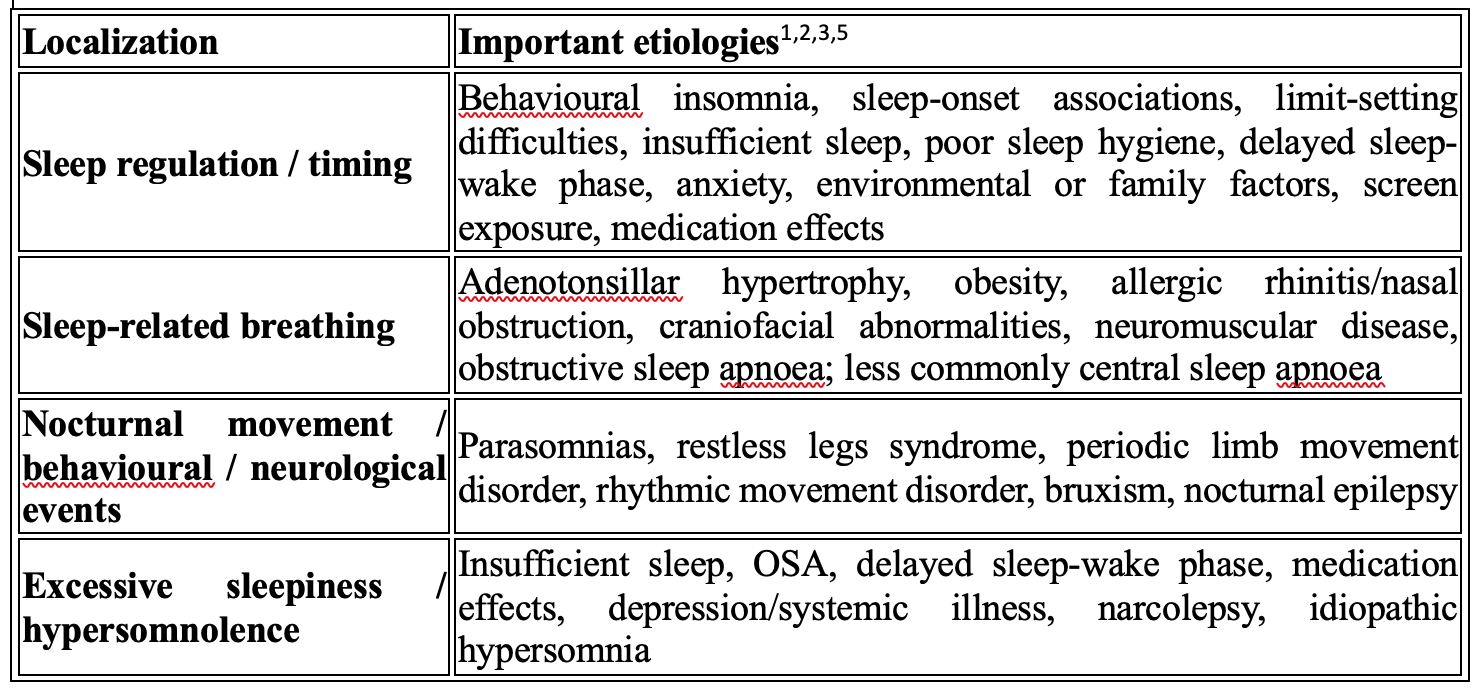
Etiology according to functional localization
Age-related etiological clues
The likely causes of sleep disturbance change with developmental stage.
Neurodevelopmental and psychiatric context
Neurodevelopmental conditions are important contributors to sleep problems. Children with autism spectrum disorder, ADHD and their medications, intellectual disability, developmental delay, epilepsy, or genetic syndromes may have difficulty with sleep initiation, night waking, circadian regulation, restless sleep, or sleep-disordered breathing. 1,2,5
Psychiatric and psychosocial factors should also be considered, particularly in older children and adolescents. Anxiety, depression, trauma, family conflict, school stress, bullying, and caregiver mental health problems may contribute to insomnia, delayed sleep, fragmented sleep, or excessive daytime sleepiness. 12,14,15
Medical and neurological contributors
Medical conditions may disturb sleep through pain, discomfort, respiratory symptoms, itching, reflux, nocturia, or medication effects. Important examples include asthma, allergic rhinitis, eczema, gastro-oesophageal reflux, chronic pain, constipation, iron deficiency, obesity, endocrine or metabolic disorders, and chronic systemic illness. 1,2,5
Neurological causes should be considered when there are stereotyped nocturnal events, seizures, regression, abnormal movements, altered awareness, morning headache, vomiting, focal neurological signs, or unexplained excessive sleepiness. 1,2,3,5
Targeted evaluation
Further assessment should be directed by the suspected localization and associated features:
- Sleep diary – useful for sleep duration, sleep-onset delay, night waking, irregular rhythm, and circadian delay.
- Developmental / neurodevelopmental assessment – when ASD, ADHD, developmental delay, or intellectual disability is suspected.
- ENT / airway assessment – for habitual snoring, mouth breathing, apnoea, adenotonsillar hypertrophy, or OSA risk.
- Polysomnography – when clinically indicated for suspected OSA, central apnoea, PLMD, or unexplained nocturnal events.
- Iron studies / ferritin – when restless legs syndrome or periodic limb movements are suspected.
- EEG or video-EEG – when episodes are stereotyped, seizure-like, or associated with regression or altered awareness.
- PSG followed by MSLT – when narcolepsy or another central hypersomnolence disorder is suspected after excluding insufficient sleep and OSA.
- Targeted laboratory or medical investigations – when systemic, endocrine, metabolic, nutritional, or medication-related causes are suspected.
Etiological evaluation should therefore integrate the sleep phenotype, developmental stage, neurodevelopmental status, associated conditions, and targeted investigations. This approach distinguishes common behavioural and developmental sleep problems from respiratory, movement, neurological, psychiatric, and systemic disorders that require specific treatment.
Conclusion
Sleep problems are common in childhood, but not every concern represents a sleep disorder. Normal sleep duration, timing, night waking, and napping vary considerably with age and development, and some apparent problems reflect normal variation or a mismatch between the child’s sleep needs and caregiver expectations.
A structured CELE-based approach provides a practical way to assess these children. Confirmation establishes whether the sleep problem is clinically significant and defines the sleep phenotype. Emergency assessment identifies uncommon but important conditions such as severe sleep-disordered breathing, seizures, encephalopathy, acute neurological deterioration, intoxication, or significant mental-health and safeguarding risk. Functional localization then helps determine whether the primary disturbance involves sleep regulation/timing, sleep-related breathing, nocturnal movement or neurological events, or excessive sleepiness/hypersomnolence.
Etiological assessment should be guided by age, developmental and neurodevelopmental status, associated medical or psychiatric conditions, medication exposure, and information from the sleep diary. Common causes differ across childhood, from sleep-onset associations and behavioural sleep difficulties in younger children to sleep-disordered breathing, movement disorders, insufficient sleep, circadian delay, and psychiatric comorbidity in older children and adolescents.
Most children do not require extensive investigation. Careful history, sleep diary review, developmental and medical assessment, and targeted investigations such as polysomnography, iron studies, EEG, or MSLT should be used selectively according to the clinical pattern.
In summary, the child with a sleep problem should be assessed within a developmental, behavioural, neurological, respiratory, medical, and psychosocial context. This approach helps distinguish normal sleep variation from clinically significant disturbance, avoids unnecessary investigation, and ensures that treatable or time-sensitive sleep disorders are identified promptly.
References
- Gemke, R.J.B.J., Burger, P. and Steur, L.M.H. (2024) ‘Sleep disorders in children: classification, evaluation, and management. A review’, European Journal of Pediatrics, 184(1), 39. doi: 10.1007/s00431-024-05822-x.
- Ophoff, D., Slaats, M.A., Boudewyns, A. et al. (2018) ‘Sleep disorders during childhood: a practical review’, European Journal of Pediatrics, 177(5), pp. 641–648. doi: 10.1007/s00431-018-3116-z.
- Maski, K. and Owens, J.A. (2016) ‘Insomnia, parasomnias, and narcolepsy in children: clinical features, diagnosis, and management’, The Lancet Neurology, 15(11), pp. 1170–1181. doi: 10.1016/S1474-4422(16)30204-6.
- Moon, R.Y., Mindell, J.A., Honaker, S. et al. (2024) ‘The tension between AAP safe sleep guidelines and infant sleep’, Pediatrics, 153(4), e2023064675. doi: 10.1542/peds.2023-064675.
- Deshpande, P., Salcedo, B. and Haq, C. (2022) ‘Common sleep disorders in children’, American Family Physician, 105(2), pp. 168–176.
- Bante, A., Ayele, G., Alamirew, B. and Ahmed, M. (2024) ‘Regulatory problems and associated factors among infants in Arba Minch health and demographic surveillance system sites, southern Ethiopia’, PLOS ONE, 19(6), e0305722. doi: 10.1371/journal. pone.0305722.
- Mersky, J.P., Lee, C.P., Gilbert, R.M. and Goyal, D. (2020) ‘Prevalence and correlates of maternal and infant sleep problems in a low-income US sample’, Maternal and Child Health Journal, 24(2), pp. 196–203. doi: 10.1007/s10995-019-02852-y.
- Field, T. (2017) ‘Infant sleep problems and interventions: a review’, Infant Behavior & Development, 47, pp. 40–53. doi: 10.1016/j.infbeh.2017.02.002.
- Bunt, V., Visser, J., AlRefaee, F. et al. (2025) ‘Prevalence and possible causes of crying and mild gastrointestinal and skin symptoms in infants reported by healthcare professionals – worldwide data’, European Journal of Pediatrics, 184(6), 341. doi: 10.1007/s00431-025-06174-w.
- Maski, K. and Owens, J.A. (2016) ‘Insomnia, parasomnias, and narcolepsy in children: clinical features, diagnosis, and management’, The Lancet Neurology, 15(11), pp. 1170–1181. doi: 10.1016/S1474-4422(16)30204-6.
- Alavi, M., Kalhor, F., Khaksar, S. and Ghanavatpour, A. (2026) ‘Behavioral and parental predictors of infant and toddler sleep quality’, BMC Pediatrics, 26(1), 631. doi: 10.1186/s12887-026-06713-w.
- Suppiej, A., Sigolotto, E. and Malaventura, C. (2026) ‘Psychological and lifestyle predictors of paediatric sleep disturbances: a cross-sectional study’, European Journal of Pediatrics, 185(8), 603. doi: 10.1007/s00431-026-07254-1.
- Galling, B., Wu, J., Oberstadt, A. et al. (2026) ‘Effects of insomnia-focused psychological and behavioral interventions on depressive symptoms in children and adolescents: a systematic review and meta-analysis’, European Child & Adolescent Psychiatry. doi: 10.1007/s00787-026-03146-9.
- Kansagra, S. (2020) ‘Sleep disorders in adolescents’, Pediatrics, 145(Supplement 2), pp. S204–S209. doi: 10.1542/peds.2019-2056I.
- Yan, J., Bai, H., Sun, Y. et al. (2026) ‘Evaluation of environmental-genetic factors and mental health outcomes for sleep disturbance from late childhood to early adolescence’, European Child & Adolescent Psychiatry, 35(3), pp. 811–822. doi: 10.1007/s00787-025-02888-2.
Author Information
Kyaw Linn
Professor (Paediatric Neurology)
Senior Consultant Paediatrician